Introduction
In the ever-evolving landscape of healthcare, assistance workers play an important role in making sure people receive comprehensive care customized to their one-of-a-kind requirements. One area that has amassed substantial interest is enteral nutrition, especially for individuals that can not eat nutrients with standard means. This guide, Navigating the World of Enteral Nutrition: A Guide for Support Workers, will explore the essentials of enteral nutrition support, consisting of training chances like NDIS peg feeding training and training courses developed especially for support workers and nurses.
Understanding Enteral Nutrition
What is Enteral Nutrition?
Enteral nourishment describes the shipment of nutrients straight into the gastrointestinal system through a tube. This approach is vital for people who have trouble ingesting or absorbing nutrients via oral consumption. Generally administered with a PEG (Percutaneous Endoscopic Gastrostomy) tube, enteral feeding gives essential minerals and vitamins needed for recovery and general health.
Why is Enteral Nourishment Important?
Enteral nutrition is crucial in numerous scientific scenarios, such as: Get more info
- Neurological Disorders: Conditions like stroke or ALS might harm swallowing. Gastrointestinal Issues: Conditions such as Crohn's condition can avoid sufficient nutrient absorption. Cancer Treatment: People going through radiation treatment may experience queasiness or lack of appetite.
By making sure correct nourishment, healthcare providers can assist in recovery, boost quality of life, and avoid problems related to malnutrition.
The Function of Support Workers in Enteral Nutrition
Key Responsibilities
Support employees play a crucial function in enteral nourishment management, that includes:
- Administering feedings through PEG tubes. Monitoring clients for indicators of complications. Educating people and households about treatment procedures.
Being well-trained is necessary for assistance employees to carry out these obligations effectively.
Essential Abilities and Expertise Areas
To navigate the world of enteral nutrition efficiently, support employees need to excel in:
Understanding sorts of enteral feeds. Recognizing signs of infection around PEG sites. Maintaining health during feeding procedures.Training Opportunities for Assistance Workers
NDIS PEG Feeding Training
The National Special needs Insurance System (NDIS) offers specialized training programs focused on peg feeding. This training outfits support workers with:
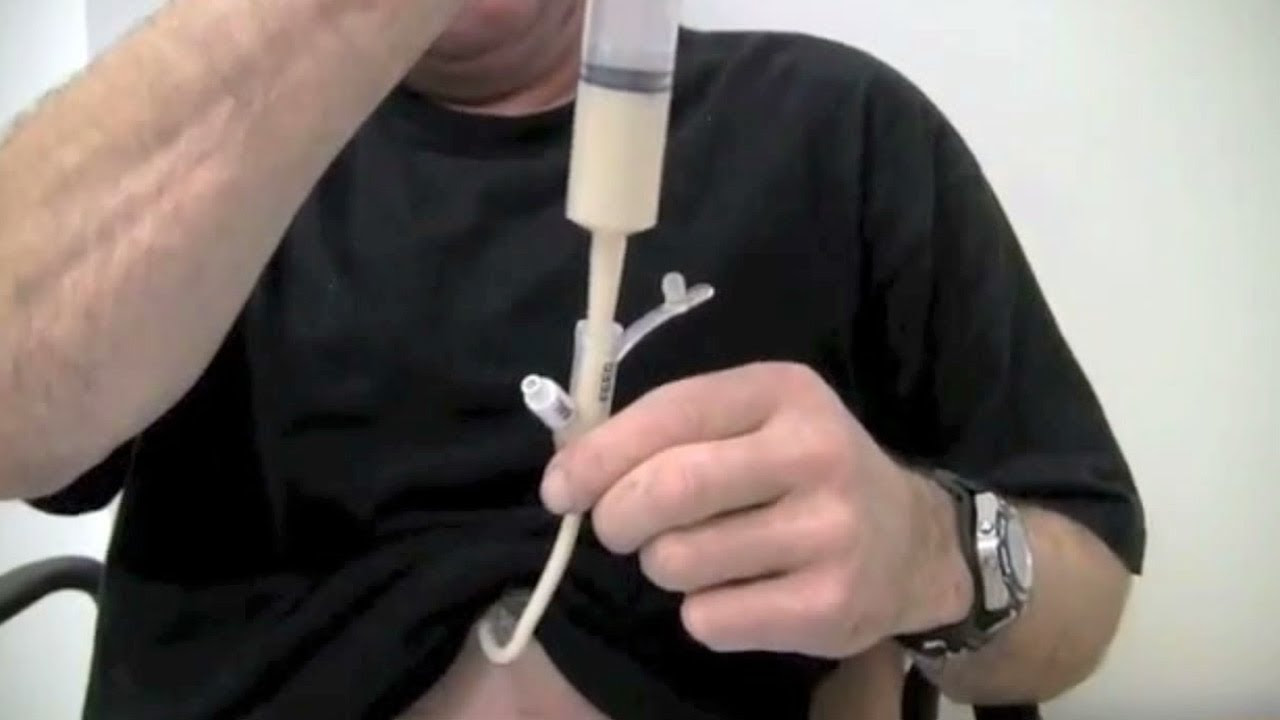
- In-depth expertise concerning PEG tube insertion and maintenance. Skills to repair typical problems related to secure feeding.
This training course enhances the top quality of care supplied to customers needing enteral nutrition.
Enteral Feeding Support Course Overview
An enteral feeding support course covers different facets consisting of:
- Types of enteral formulas. Techniques for secure administration.
Completing this course can dramatically boost a support employee's confidence when taking care of patients on enteral nutrition.
Advanced Training Choices: Peg Educating Courses
PEG Training for Nurses
Nurses are commonly at the center when it concerns developing and taking care of enteral feeding procedures. Specialized PEG training courses created for nurses concentrate on:
- Advanced medical abilities associated with tube placement. Management techniques post-insertion.
These training courses are vital not only for registered nurses but additionally useful for any healthcare professional associated with patient care regarding enteral feeding.
Peg Feeding Certification Programs
For those seeking to define their expertise in peg feeding, various organizations supply certification programs that explore:
Clinical concepts behind enteral nutrition. Practical skills required for effective patient management.Holding a peg feeding certificate can open up doors for innovative functions within health care settings.
Practical Factors to consider in Enteral Feeding Management
Types of Enteral Feeds Available
Different types of enteral feeds satisfy distinctive dietary needs:
Standard formulas-- Ideal for many clients without unique needs. Elemental diet regimens-- Predigested nutrients excellent for those with severe digestive system issues. Specialized solutions-- Customized dietary material based upon clinical problems (e.g., diabetes).Understanding these alternatives makes it possible for support employees to choose appropriate feeds based upon individual person needs.


Administering Feedings Securely and Effectively
When carrying out feedings by means of PEG tubes, think about the adhering to guidelines:
Verify tube positioning before initiating feeds. Use sterile tools to lessen infection risk. Monitor patient feedback throughout the procedure.Proper methods make sure both safety and efficiency throughout every feeding session.
Monitoring People on Enteral Nutrition
Signs and Signs and symptoms to View For
Regular tracking is crucial when caring for individuals getting enteral nutrition. Secret indications include:
- Signs of aspiration (coughing during feedings). Abdominal discomfort or bloating post-feeding.
Identifying these symptoms early enables timely treatment by health care professionals.
Managing Complications Associated with PEG Tubes
Complications can emerge from inappropriate use or care of PEG tubes, including:
Infection at the insertion site Tube dislodgment Blockages within the tubeSupport employees should be trained in acknowledging these issues quickly and taking proper action-- whether it's cleaning a website or looking for aid from nursing staff.
Patient Education as Component of Care Plans
Teaching Clients About Their Nutrition Needs
An important part of an assistance employee's job includes enlightening individuals concerning their nutritional requirements while on enteral feeding:
Discuss dietary preferences where feasible-- some patients may want particular tastes or textures. Explain exactly how routine surveillance adds positively to their health and wellness outcomes.Empowering people with understanding promotes self-reliance and conformity with nutritional plans.
Working Collaboratively With Medical care Teams
Importance of Interdisciplinary Collaboration
Collaboration amongst healthcare experts makes certain all natural patient care in managing enterally fed clients:
Regular group meetings can assist deal with concerns pertaining to individual cases. Sharing understandings among self-controls cultivates better understanding and treatment plans customized to every person's needs.Support workers are vital members adding important monitorings from day-to-day communications with customers that should be communicated properly within teams.
Frequently Asked Questions (FAQs)
1. What is PEG Feeding?
PEG feeding entails supplying nutrition directly through a percutaneous endoscopic gastrostomy (PEG) tube when dental intake isn't feasible due to numerous medical conditions.
2. How Can I Obtain Trained in Peg Feeding?
Various institutions use specific training programs such as NDIS peg feeding training, alongside on the internet alternatives like an enteral feeding assistance course
3. What Are Common Complications Associated With Secure Tubes?
Common issues may consist of infections at insertion sites, dislodgment, or obstructions which call for prompt focus from qualified personnel.
4. Exactly How Often Need To Feedings Be Administered?
Feeding schedules differ based on individual requirements yet normally range from continuous infusion throughout the day to a number of bolus feedings relying on doctor recommendations.
5. Can Any Individual Administer Enterally Fed Nutrients?
While basic caregiving functions can entail aiding with feedings after proper training (e.g., peg training courses), just certified healthcare professionals should do procedures including tube placement.
6. What Is The Relevance Of Nutritional Keeping An Eye On In Individuals Under Going Enteric Feeding?
Regular surveillance assists determine prospective difficulties early while making certain that nutritional objectives are being satisfied successfully over time.
Conclusion
As we've discovered throughout this overview entitled Navigating the Globe of Enteral Nutrition: A Guide for Assistance Workers, recognizing the concepts behind reliable management practices surrounding enterally fed individuals is crucial in today's health care setup-- where personalized care comes to be extremely important! By acquiring correct qualifications via offered training courses like NDIS peg feeding training or specialized peg training courses tailored towards nurses/support staff alike; one can really make significant contributions towards boosting individual end results via thoughtful involvement along with thorough procedural adherence!
Equipped with knowledge, sources, communication abilities-- and above all-- a real need to enhance lives; assistance workers stand at the forefront within this transformative area-- where every meal delivered represents hope restored!